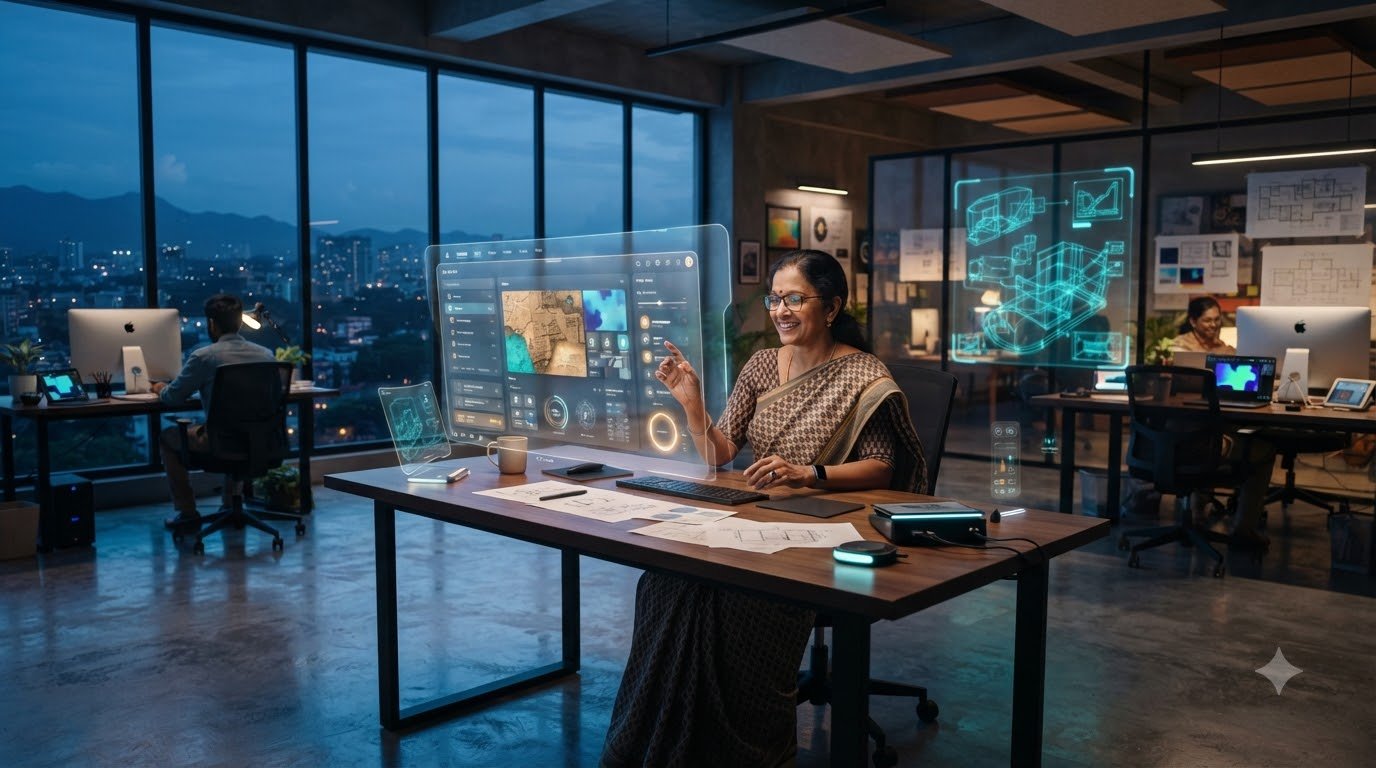
Modern digital interfaces are shifting away from flat, sterile environments in favor of depth, light, and sensory realism. Below is a detailed breakdown of how liquid glass aesthetics and tactile surfaces elevate corporate digital experiences.
Liquid Glass & Translucent UI Components Inspired by spatial computing and modern OS shifts, liquid glass UI utilizes real-time blur, frosted translucency, and light-bending refraction. UI elements—such as navigation bars, modal cards, and floating control panels—interact dynamically with the background, creating a high-end, layered sense of depth and focus for digital users.
Hyper-Realistic Surface & Grain Textures Replacing plain, flat color blocks with tangible surface textures adds immediate tactile quality to digital products. Incorporating fine paper grains, subtle canvas textures, brushed metallic accents, and matte finishes creates a premium physical feel on screens, making digital interfaces feel grounded and luxurious.
Dynamic Light Refraction & Volumetric Shadows Depth is defined by how light interacts with surfaces. By applying realistic light caustics, volumetric edge highlights, and soft multi-layered shadows, visual components appear to float naturally. This spatial hierarchy guides user attention, signaling interactability and enhancing overall visual comfort.
Surface-First Brand & Web Assets Extending liquid glass aesthetics across landing pages, pitch decks, and digital campaign collateral establishes a sleek, forward-thinking visual identity. Utilizing organic, fluid glass shapes alongside physical surface textures creates a distinct brand aesthetic that balances corporate sophistication with futuristic digital design.
Recent News
- How to Turn Your Influence into Income with the Amazon Creator Ecosystem: HOW TO EARN GUIDE 2026-09-23
- Tactile Textures & "Liquid Glass" Visual & UI Services 2026-09-16
- Human Authenticity & "Imperfect by Design" Visual Services 2026-09-16
- International PHP Conference 2019 - Spring Edition
- Laravel 5.8 released